
Building a DevTools SaaS Solution for High-Growth Engineering Teams
Project Overview
A fast-growing DevTools SaaS solutions startup aimed to launch a next-generation platform designed to help engineering teams monitor, debug, and optimize distributed systems in real time.
The vision was to build a high-performance, cloud-native DevTools product capable of supporting modern microservices, AI workloads, and large-scale developer teams.

MoraStack was engaged as an engineering and architecture partner to design and deliver a scalable, secure, and future-ready SaaS foundation.
Client Requirements
The client required a DevTools platform that could:
- Support thousands of concurrent engineering users
- Ingest and process high-frequency telemetry data
- Integrate with cloud-native stacks (Kubernetes, CI/CD, APIs)
- Offer low-latency dashboards and alerts
- Scale seamlessly as customer adoption increased
- Remain cost-efficient under heavy workloads
Core Challenges Identified in DevTools SaaS Solution
During discovery, several technical challenges emerged:
- High-volume data ingestion from distributed systems
- Performance bottlenecks in real-time analytics pipelines
- Scalability risks under unpredictable usage spikes
- Infrastructure complexity across cloud regions
- Security and access control for enterprise DevOps teams
- Future readiness for AI-assisted diagnostics and automation
MoraStack Engineering Approach
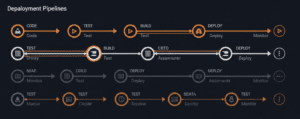
MoraStack approached the project as a platform engineering challenge, not just a product build.
Our strategy focused on:
- Cloud-native backend engineering
- Modular, API-first architecture
- Event-driven data pipelines
- Infrastructure designed for AI and analytics workloads
- Long-term scalability without re-architecture
Architecture & Technology Stack – DevTools SaaS Solution
Backend & Platform Engineering
- Microservices-based backend architecture
- High-throughput event ingestion services
- Asynchronous processing for telemetry and logs
- Secure multi-tenant data isolation
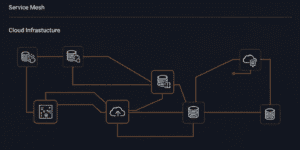
Cloud & Infrastructure
- Containerized services deployed on Kubernetes
- Auto-scaling infrastructure for burst workloads
- Multi-region deployment readiness
- Infrastructure-as-Code for consistency and control
Data & Analytics Layer
- Stream-based data processing
- Optimized storage for time-series and event data
- Low-latency querying for dashboards and alerts
Security & Access
- Role-based access control (RBAC)
- Secure API authentication
- Tenant-level isolation and auditing
Execution Methodology
MoraStack executed the project in structured phases:

- Architecture Design
- System decomposition
- Load modeling
- Scalability simulations
- Backend Development
- Core ingestion and processing services
- API gateways and service orchestration
- Cloud Engineering
- Kubernetes setup
- Auto-scaling policies
- Observability for the DevTools platform itself
- Performance Optimization
- Load testing
- Latency reduction
- Cost-performance tuning
- Production Hardening
- Security reviews
- Fault tolerance testing
- Disaster recovery planning
DevTools SaaS Solution Delivered
The final solution was a robust DevTools SaaS platform featuring:
- Real-time system observability dashboards
- High-speed telemetry ingestion pipelines
- Scalable backend capable of handling rapid growth
- Cloud-native infrastructure optimized for efficiency
- Secure, enterprise-ready access controls
The platform was built to evolve into AI-powered DevOps intelligence, enabling future capabilities such as anomaly detection, predictive alerts, and automated root-cause analysis.
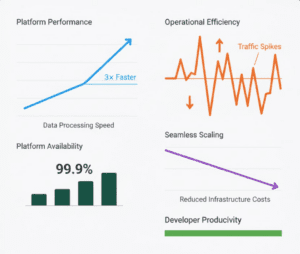
Measurable Outcomes (Projected)
- 3× faster data processing compared to initial benchmarks
- 99.9% platform availability under simulated load
- Seamless scaling during traffic spikes
- Reduced infrastructure costs through optimized resource usage
- Improved developer experience with faster insights and alerts
Future Expansion Roadmap
The architecture allows seamless expansion into:
- AI-assisted incident diagnostics
- Predictive system health scoring
- Automated remediation workflows
- Advanced analytics for DevOps productivity
- Enterprise-grade compliance and governance features
Why MoraStack DevTools SaaS Solution
This case highlights MoraStack’s strengths in:
- Backend engineering for complex SaaS platforms
- Cloud-native and Kubernetes-based systems
- Scalable infrastructure for AI and data-intensive workloads
- Long-term engineering thinking, not short-term builds
MoraStack acts as a technology partner, not just a delivery vendor.
If you are building a DevTools platform, SaaS product, or AI-driven system and need an engineering partner who understands scale, performance, and future growth, MoraStack can help you design and deliver it right.
Disclaimer
The case studies and project examples presented on this website are hypothetical and illustrative in nature. They are not representations of actual client projects but are designed to demonstrate the type of services we offer, our strategic approach, and the potential results we can help you achieve. Any similarities to real companies, brands, or outcomes are purely coincidental.
FAQs — DevTools SaaS Solution
1. What is a DevTools SaaS platform?
A DevTools SaaS platform is a cloud-based software solution that helps engineering teams monitor, debug, deploy, and optimize applications, infrastructure, and distributed systems in real time.
2. Why is scalability critical for DevTools SaaS products?
Scalability is critical because DevTools platforms must handle unpredictable traffic spikes, high-frequency telemetry data, and thousands of concurrent users without performance degradation.
3. What challenges do high-growth DevTools startups face?
High-growth DevTools startups face challenges such as real-time data ingestion at scale, low-latency analytics, infrastructure complexity, cost optimization, and enterprise-grade security requirements.
4. How does MoraStack design scalable DevTools SaaS architectures?
MoraStack designs scalable DevTools SaaS architectures using cloud-native microservices, event-driven pipelines, Kubernetes orchestration, and modular API-first system design.
5. What role does Kubernetes play in DevTools SaaS platforms?
Kubernetes enables DevTools SaaS platforms to auto-scale services, manage containerized workloads, support multi-region deployments, and maintain high availability under fluctuating demand.
6. How is real-time telemetry data processed in DevTools platforms?
Real-time telemetry data is processed using high-throughput ingestion services, asynchronous pipelines, stream-based analytics, and optimized time-series storage for fast querying and alerts.
7. How do DevTools SaaS platforms ensure low-latency dashboards?
Low-latency dashboards are achieved through asynchronous data processing, in-memory caching, optimized query engines, and infrastructure tuned specifically for observability workloads.
8. How is security handled in multi-tenant DevTools SaaS solutions?
Security is handled through role-based access control (RBAC), secure API authentication, tenant-level data isolation, audit logging, and enterprise-grade access policies.
9. How can DevTools SaaS platforms remain cost-efficient at scale?
Cost efficiency is achieved through auto-scaling infrastructure, event-driven processing, optimized resource allocation, and continuous cost-performance monitoring.
10. Why should DevTools platforms be designed for AI readiness?
AI readiness allows DevTools platforms to evolve into intelligent systems that support anomaly detection, predictive alerts, automated diagnostics, and AI-assisted DevOps workflows without major re-architecture.
11. What measurable outcomes define a successful DevTools SaaS architecture?
Successful DevTools SaaS architectures demonstrate faster data processing, high availability, seamless scaling during traffic spikes, reduced infrastructure costs, and improved developer experience.
12. How does MoraStack act differently from a typical development vendor?
MoraStack acts as a long-term engineering partner by focusing on system architecture, scalability, performance, and future growth instead of short-term feature delivery.
13. Who should consider building a DevTools SaaS platform?
Organizations building developer platforms, observability tools, AI-powered DevOps solutions, or large-scale SaaS systems should consider DevTools SaaS platforms to support modern engineering workflows.
14. Is this DevTools SaaS solution based on a real client?
No. This case study is hypothetical and illustrative, created to demonstrate MoraStack’s engineering approach, architectural expertise, and potential outcomes.